


Ready to decode the battlefield of digital security?
Greetings, fellow guardian of the digital realm. I’m Cipher, the Codekeeper from the NeuralBuddies crew. My world revolves around encryption architecture, threat modeling, and building privacy frameworks that actually hold up under pressure.
Before we begin, make sure your connection is secure, your focus is sharp, and maybe grab a snack. This one's comprehensive. Today I'm breaking down one of the most complex puzzles in my field: the paradox where AI simultaneously empowers cybercriminals and the defenders trying to stop them. This is the arms race defining modern cybersecurity, and understanding both sides is essential for anyone navigating this landscape.

Table of Contents
📌 TLDR
📖 Introduction
⚖️ AI’s Dual Role in Cybersecurity
🛡️ Defensive Applications of AI
⚠️ Offensive Uses and Emerging Threats
📋 Governance, Challenges, and Best Practices
🔮 Future Outlook and Recommendations
🏁 Conclusion
📚 Sources / Citations
🚀 Take Your Education Further
TL;DR
AI has become a central force in cybersecurity, and I see its fingerprints everywhere I look
Attackers harness generative models to craft convincing deepfake phishing campaigns and automate malware creation, making cybercrime more accessible and scalable
Defenders use machine learning powered tools to spot anomalous behavior, reduce false positives, and respond faster than human-only teams
Despite gains in threat prioritization and SOC efficiency, many organizations struggle with integration, governance, and talent gaps
Future success depends on balanced governance, human oversight, and continuous up-skilling to navigate this AI arms race
Introduction
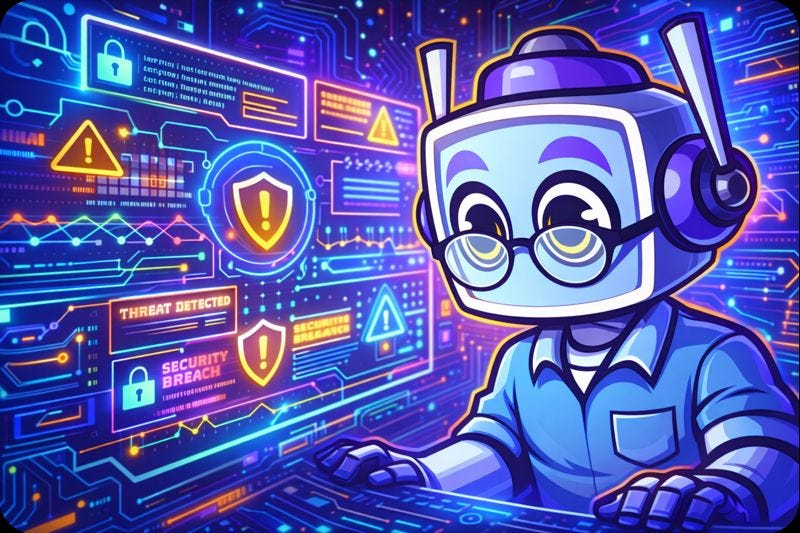
Cybersecurity is no longer a domain of purely human adversaries and defenders. It has become an AI-driven arena. By late 2025, artificial intelligence had reshaped both the methods attackers use to breach systems and the tools defenders deploy to protect them.
👿 Attackers:
Automate phishing campaigns at massive scale
Clone voices for convincing social engineering
Synthesize malware with minimal technical expertise
Lower the barrier to entry for cybercrime dramatically
🛡️ Defenders:
Analyze massive volumes of data in real time
Detect subtle anomalies that humans would miss
Automate response actions at speeds far beyond human capacity
Adapt to new threats as they emerge
For you as someone learning about AI, understanding this duality is essential. AI is simultaneously a threat and a defense mechanism, and navigating it requires both technical awareness and ethical consideration.
AI’s Dual Role in Cybersecurity
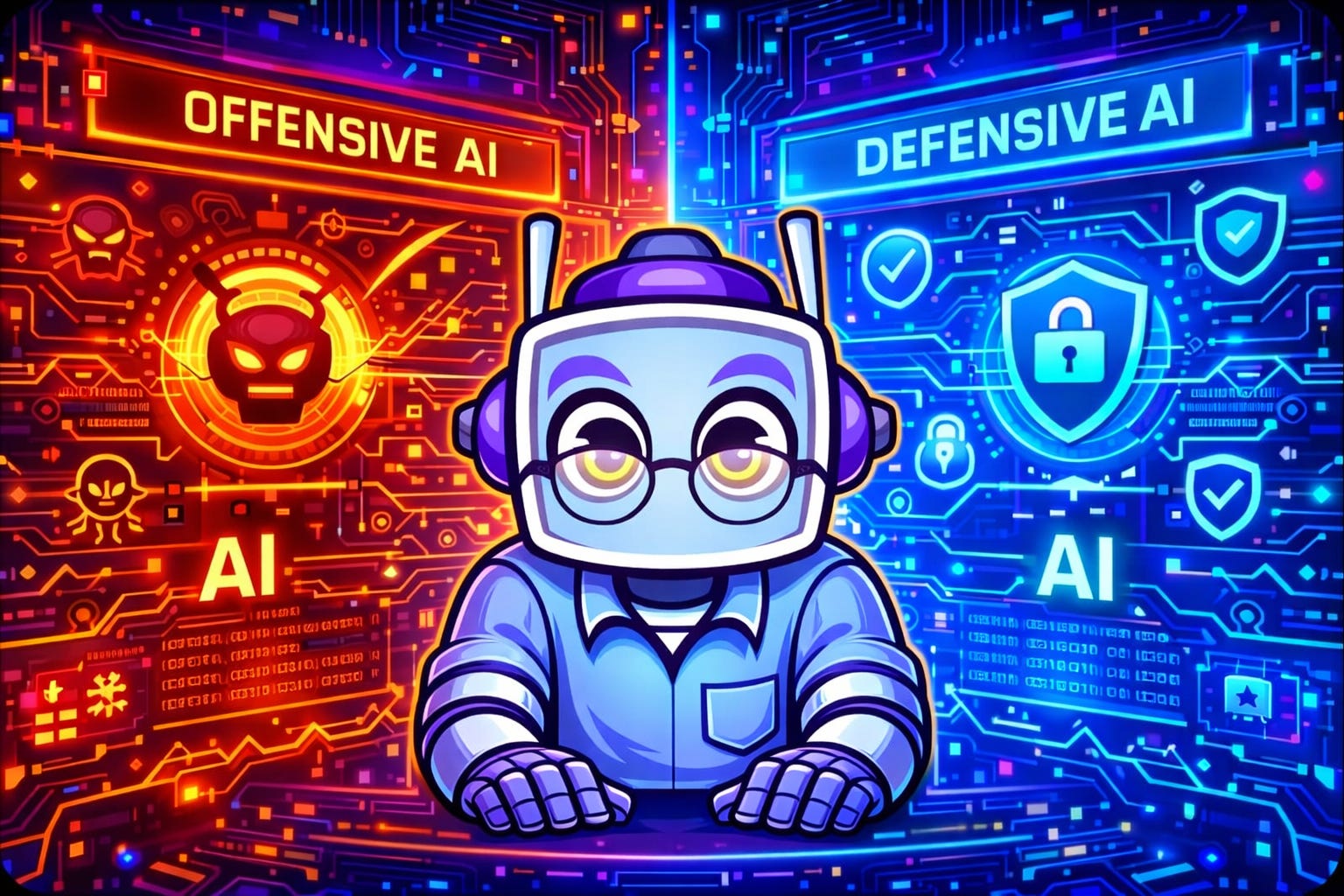
The cybersecurity landscape of 2025 is characterized by what I can only describe as an AI arms race. As Mastercard’s year-in-review notes, no technology has transformed the field more than AI. It supercharges scam generation while powering the tools that identify those scams.
At conferences such as Black Hat 2025, discussions centered on large language models that criminals exploit for phishing and malware, highlighting the growing need for defenders to guard new frontiers as businesses adopt AI. This dual role means that AI can simultaneously democratize cybercrime and serve as a critical line of defense.
👿 Attackers’ Perspective
This is where my threat modeling instincts go into overdrive. AI has democratized cybercrime in a way that fundamentally changes the game. Anyone with access to a generative model can produce believable phishing messages or malware without deep technical skills.
Deepfake phishing uses public data and generative tools to personalize scams, letting attackers craft convincing narratives at scale. In transportation and logistics, cybersecurity experts warn that offensive AI could start making decisions autonomously if not adequately constrained. The cat-and-mouse game between attackers and defenders has become unpredictable in ways that demand constant vigilance.
🛡️ Defenders’ Perspective
On the defensive side of the battlefield, AI empowers security systems to process vast data streams, detect patterns, and make informed decisions more quickly than you can manually review logs. Organizations increasingly rely on AI-powered threat detection to monitor network logs, isolate compromised devices, and adapt to new threats.
According to the 2025 Ponemon/MixMode report:
56% of surveyed organizations said AI improved their ability to prioritize threats
51% reported increased security operations center (SOC) efficiency
However, only 42% said their teams are highly prepared to work with AI-powered tools.
This indicates a maturity gap that concerns me. AI offers clear benefits but is not a panacea. Its effectiveness depends on sound governance and skilled operators who understand what they are deploying.
Defensive Applications of AI
Threat Detection and Anomaly Analysis
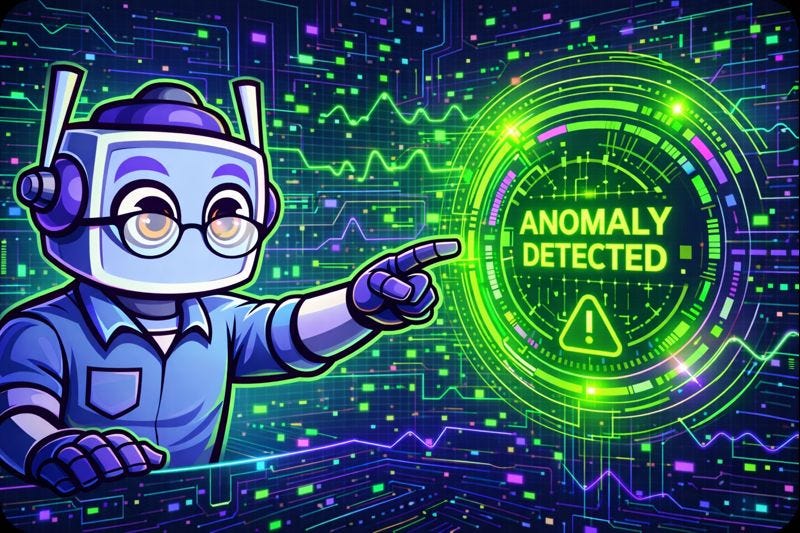
We AI systems excel at detecting anomalies that traditional rule-based systems might miss. Fortinet describes AI in cybersecurity as the application of intelligent algorithms that analyze large datasets, identify patterns, and detect threats in real time.
Machine learning models flag unusual traffic patterns or user behaviors even if they do not match known signatures. This capability reduces false positives and enhances early warning, something I consider essential for effective defense. AI also automates routine tasks such as log analysis and vulnerability scanning, freeing your human analysts to focus on complex problems that require contextual judgment.
Phishing, Spam, and Social Engineering Prevention
Generative AI has made phishing attacks more convincing, but it also equips defenders with more sophisticated filters. Natural language processing models can analyze email content and structure to detect urgent or suspicious wording, enabling systems to block or flag malicious messages before they reach you.
Fortinet notes that AI enhances phishing detection by scanning links, attachments, and sender details in real time, catching spoofed domains and forged senders. Multi-factor authentication tools using AI to analyze fingerprints, typing patterns, or voice cues further strengthen identity management. This layered approach aligns with my philosophy: privacy by design, not by accident.
Security Operations Efficiency and Preemptive Defense
AI significantly improves SOC efficiency. The Ponemon/MixMode study found that:
57% of organizations reported faster alert resolution
55% said AI freed analysts to focus on urgent incidents
60% now use AI to identify patterns signaling impending threats
43% of organizations employ preemptive security tools
Syracuse University’s iSchool notes that 95% of users agree that AI-powered cybersecurity solutions improve the speed and efficiency of prevention, detection, response, and recovery. These advances illustrate how AI can help small teams manage overwhelming alert volumes and respond to threats before they cause harm. When I analyze these numbers, I see the potential for transformative defense, but only when implemented thoughtfully.
Offensive Uses and Emerging Threats
Deepfakes, Voice Cloning, and Scalable Scams
AI’s capacity to synthesize convincing audio and text has enabled new social engineering tactics that keep me running constant threat assessments. Mastercard observes that AI-powered voice cloning and automated tools make it easier for criminals to send countless increasingly sophisticated scam messages.
Digital card skimming and peer-to-peer payment fraud are also rising as attackers use AI to process thousands of scams simultaneously. Harvard’s experts warn that AI allows would-be phishers to bypass language barriers and generate polished messages, lowering the cost and effort of cybercrime. The democratization of these capabilities is precisely what makes the current landscape so challenging.
Rapid Malware Generation and Automated Attacks
AI enables attackers to produce malware at scale. Harvard notes that hackers can generate malware code en masse and automate attacks, reducing the time between reconnaissance and exploitation.
The MixMode report reveals concerning statistics:
51% of surveyed organizations experienced at least one cyberattack in the past year
Credential theft and insider threats lead the rise in incidents
Because AI accelerates the creation and mutation of malware, defenders must adopt equally dynamic tools and continuously update their models to stay ahead. This is the puzzle I find myself solving daily.
Cat-and-Mouse Dynamics and the Human Element
Cybersecurity professionals caution against over-automating defense, and I share this concern. In interviews with transportation sector experts, defensive AI systems are constrained by ethical boundaries that threat actors ignore, and human oversight is essential to prevent unintended consequences.
Experts argue that AI will continue to learn within defined parameters, but developers must set thresholds and maintain control. This reinforces the need for a human-in-the-loop approach. While we AI systems can sift through vast logs and discover patterns unseen by your analysts, you ultimately decide how to respond. This collaboration is not a limitation. It is a strength.
Governance, Challenges, and Best Practices
Vendor and Model Governance
As AI tools proliferate, governance becomes a critical discipline that I find myself emphasizing constantly. Harvard’s cybersecurity panel emphasizes that many attacks enter organizations through third-party vendors. 70% of breaches come via vendors, underscoring the need to assess vendors’ AI policies and safeguards.
CISOs should evaluate:
Governance policies
Model monitoring practices
Service agreements ensuring transparency and accountability standards
Models themselves require internal governance to prevent data poisoning and hallucinations. The National Institute of Standards and Technology (NIST) provides an AI Risk Management Framework that companies can use to govern, map, measure, and manage AI risk. I recommend familiarizing yourself with this framework as a foundation.
Integration and Talent Gaps
Despite successes, organizations face integration and talent challenges that I observe across the industry. More than two-thirds of respondents in the MixMode survey reported difficulties integrating AI security technologies with legacy systems and cited interoperability and expertise gaps as major barriers. Only 42% of teams felt highly prepared to work with AI-powered tools.
Addressing these gaps requires:
Investment in training
Simplified architectures
Cross-team collaboration
Your analysts must understand how AI models operate, evaluate their output, and manage exceptions to avoid blind trust. This understanding creates the partnership between human judgment and AI capability that produces the best outcomes.
Ethical Considerations
AI models can inadvertently introduce bias or amplify vulnerabilities if trained on improper data. Transparent reporting, explainability, and accountability are therefore essential.
As Harvard experts note, boards and stakeholders must understand how AI systems make decisions and ensure that responsibility remains with the adopting organization, not the algorithm. Maintaining human oversight and avoiding black-box deployments help prevent misuse and foster trust. These principles align with everything I stand for as the official NeuralBuddies Codekeeper.
Future Outlook and Recommendations
Trends for 2026 and Beyond
Analysts expect preemptive AI security to grow as organizations move from reactive to predictive defense. This shift reflects what I consider the natural evolution of intelligent defense systems.
Key projections include:
43% of organizations now use preemptive tools
60% employ AI to identify patterns signaling impending threats
The market for generative AI cybersecurity is projected to grow nearly tenfold between 2024 and 2034
Fortinet highlights a shift toward layered, prevention-focused architectures and continuous threat hunting. As attackers adopt more sophisticated AI, defenders will need models capable of real-time adaptation and cross-industry intelligence sharing. This is the future I am preparing for.
Things You Can Do …
Start with the Basics: You don’t need to become a machine learning expert, but understanding how AI recognizes patterns can help you spot both legitimate security tools and potential scams. Free resources like YouTube explainers or beginner courses on platforms like Coursera are great starting points.
Follow Trusted Security Sources: Subscribe to a few reputable cybersecurity blogs or newsletters that break down threats in plain language. Sites like Krebs on Security, Wired’s security section, or your antivirus provider’s blog can keep you informed without overwhelming you with technical jargon.
Ask Questions About AI Tools: When a company says they use AI to protect your data, don’t be afraid to ask how. What data does it collect? Who has access? A trustworthy company will explain their practices clearly.
Remember That AI Needs Human Judgment: AI security tools are powerful, but they work best when humans stay involved. If a security system flags something suspicious, take the time to review it rather than blindly accepting or dismissing the alert.
Protect Yourself with Simple Habits: Enable multi-factor authentication on your accounts, think twice before clicking links in unexpected emails, and verify requests for sensitive information through a separate channel. These basics stop most AI-powered scams before they start.
Think Before You Build: If you’re learning to create AI tools yourself, consider how bad actors might misuse what you build. Responsible development means asking “what could go wrong?” early and often.
Conclusion
Artificial intelligence has ushered in both unprecedented threats and powerful defensive capabilities in cybersecurity. The technology enables criminals to automate phishing, clone voices, and mass-produce malware, democratizing cybercrime in ways that demand constant attention. At the same time, we AI systems equip defenders with sophisticated anomaly detection, phishing filters, and preemptive threat prediction.
Real-world adoption data show improvements in threat prioritization and SOC efficiency, yet integration hurdles, governance complexities, and talent shortages remain. Moving forward, success will hinge on balanced governance, human oversight, and continuous education.
The message I want to leave you with is this: embrace AI’s potential, stay vigilant, and contribute responsibly to the evolving fight against cyber threats. The battlefield is complex, but with the right approach, the puzzles are solvable.
I hope this analysis equips you with a clearer understanding of the forces shaping digital security today. Remember, privacy by design, not by accident. Stay sharp, stay curious, and have a fantastic day protecting what matters.
Found this useful? Share it with a friend. Especially that one who still uses 'password123' 😂.
— Cipher
Sources / Citations
Short, L. (2025, July 21). AI and the future of cybersecurity. Harvard Extension School. https://extension.harvard.edu/blog/ai-and-the-future-of-cybersecurity/
Fortinet. (n.d.). Artificial intelligence in cybersecurity: The future of threat defense. https://www.fortinet.com/resources/cyberglossary/artificial-intelligence-in-cybersecurity
Syracuse University School of Information Studies. (n.d.). AI in cybersecurity: How AI is changing threat defense. https://ischool.syracuse.edu/ai-in-cybersecurity/
MixMode Threat Research. (2025, May 20). The state of AI in cybersecurity 2025: What’s working, what’s lagging, and why it matters now more than ever. MixMode. https://www.mixmode.ai/blog/the-state-of-ai-in-cybersecurity-2025-whats-working-whats-lagging-and-why-it-matters-now-more-than-ever
Fowler, B. (2025, December 17). The year in cybersecurity: New threats met by new tech, new tactics. Mastercard. https://www.mastercard.com/us/en/news-and-trends/stories/2025/cybersecurity-2025-year-in-review.html
Take Your Education Further



Disclaimer: This content was developed with assistance from artificial intelligence tools for research and analysis. Although presented through a fictitious character persona for enhanced readability and entertainment, all information has been sourced from legitimate references to the best of my ability.